
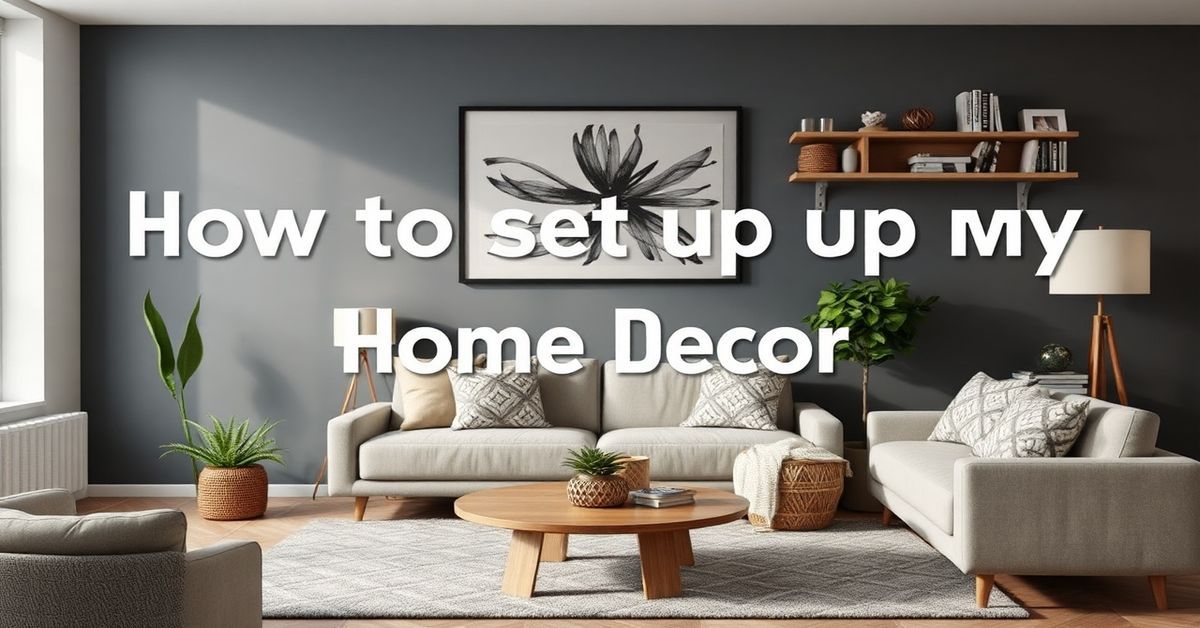
You’ve just moved into your dream apartment—sunlight pours through the windows, the layout is open, and you’re ready to make it uniquely yours. But then reality hits: you want smart lights, voice-controlled blinds, ambient sound systems, and sleek tech that doesn’t scream “geek cave.” That’s where how to set up my home decoradtech becomes more than a search query—it’s a mission. You don’t want a cluttered mess of wires and apps; you want seamless, stylish integration that enhances your lifestyle. The good news? With the right approach, how to set up my home decoradtech can be both elegant and effortless.
Understanding What Decoradtech Really Means
Before diving into devices and apps, it’s crucial to define what “decoradtech” actually means in your space. Coined from “decor” and “technology,” decoradtech refers to the harmonious blend of aesthetic interior design with functional smart home systems. It’s not just about installing gadgets—it’s about embedding intelligence into your environment without sacrificing style. Think motorized curtains that rise with the sun, color-shifting LED strips hidden under cabinets, or a speaker that doubles as a sculptural centerpiece. When planning how to set up my home decoradtech, start by auditing your current space: which areas need automation? Where do you spend the most time? What frustrates you about your current setup? This clarity helps prioritize investments and avoid tech overload. For example, a busy professional might prioritize smart lighting and climate control in the bedroom and home office, while a family might focus on child-safe automation and entertainment zones. Remember, decoradtech should serve your life—not complicate it.
Choosing the Right Smart Home Ecosystem
One of the biggest mistakes people make when tackling how to set up my home decoradtech is buying incompatible devices. A smart bulb from Brand A won’t talk to a hub from Brand B, and suddenly you’re juggling five different apps. To avoid this, commit to one ecosystem early. Apple HomeKit, Google Home, and Amazon Alexa are the big three, each with strengths. HomeKit excels in privacy and seamless iOS integration, Google Home offers superior AI and search capabilities, and Alexa has the broadest device compatibility. Consider your existing devices: if you’re deep in the Apple universe, HomeKit makes sense. If you use Android and Chromecast, lean into Google. Once you choose, stick to certified devices within that ecosystem. Also, invest in a reliable hub or bridge if needed—many Zigbee or Z-Wave devices require one to communicate with your Wi-Fi network. A stable foundation prevents future headaches and ensures smooth automation.
Top Ecosystems Compared
- Apple HomeKit: Best for iPhone users; strong encryption; limited third-party support but high reliability.
- Google Home: Ideal for Android users; excellent voice recognition; integrates well with YouTube and Google services.
- Amazon Alexa: Most device-compatible; vast skill library; great for shopping and routines.
Designing for Discreet Tech Integration
The magic of decoradtech lies in invisibility. No one wants a wall of blinking LEDs or exposed routers. When planning how to set up my home decoradtech, focus on concealment and cohesion. Use furniture with built-in cable management, like media consoles with hidden compartments. Mount routers inside cabinets or behind artwork using signal-friendly materials. Choose smart switches that match your wall plates, and opt for wireless sensors that blend into trim or baseboards. Lighting is a prime opportunity: install LED strips under floating shelves or behind headboards for ambient glow without visible fixtures. Even voice assistants can be stylish—place Echo Dots inside decorative bowls or use fabric-covered speakers that double as art. The goal is technology that enhances, not dominates. For inspiration, check out our guide to minimalist smart interiors, which showcases real homes where tech disappears into design.
Step-by-Step Setup Process
Now that you’ve chosen your ecosystem and design strategy, it’s time to execute. Start small: begin with one room, like the living area or bedroom. Install a smart hub first, then add core devices—lights, thermostat, and a speaker. Use the manufacturer’s app to connect each device, naming them clearly (e.g., “Living Room Lamp” not “Light 3”). Group devices by room in your app for easier control. Next, create basic automations: “Good Morning” routine that turns on lights and starts coffee, or “Movie Night” that dims lights and closes blinds. Test each automation thoroughly. Gradually expand to other rooms, ensuring Wi-Fi coverage with mesh networks if needed. Document your setup—note device locations, passwords, and routines—so you can troubleshoot or upgrade later. For complex setups, consider consulting a professional installer through our certified partner network.
Maintaining and Upgrading Your Decoradtech System
Setting up your system is just the beginning. Technology evolves fast, and your decoradtech should too. Schedule quarterly check-ins: update firmware, review automations, and remove unused devices. Replace batteries in sensors annually. Stay informed about new integrations—Wired’s annual smart home trends report is a great resource. When upgrading, prioritize backward compatibility to avoid replacing entire systems. Finally, involve your household: teach family members how to use voice commands or apps, and gather feedback to refine routines. With care, your decoradtech setup will remain functional, stylish, and truly yours.


Leave a Reply