
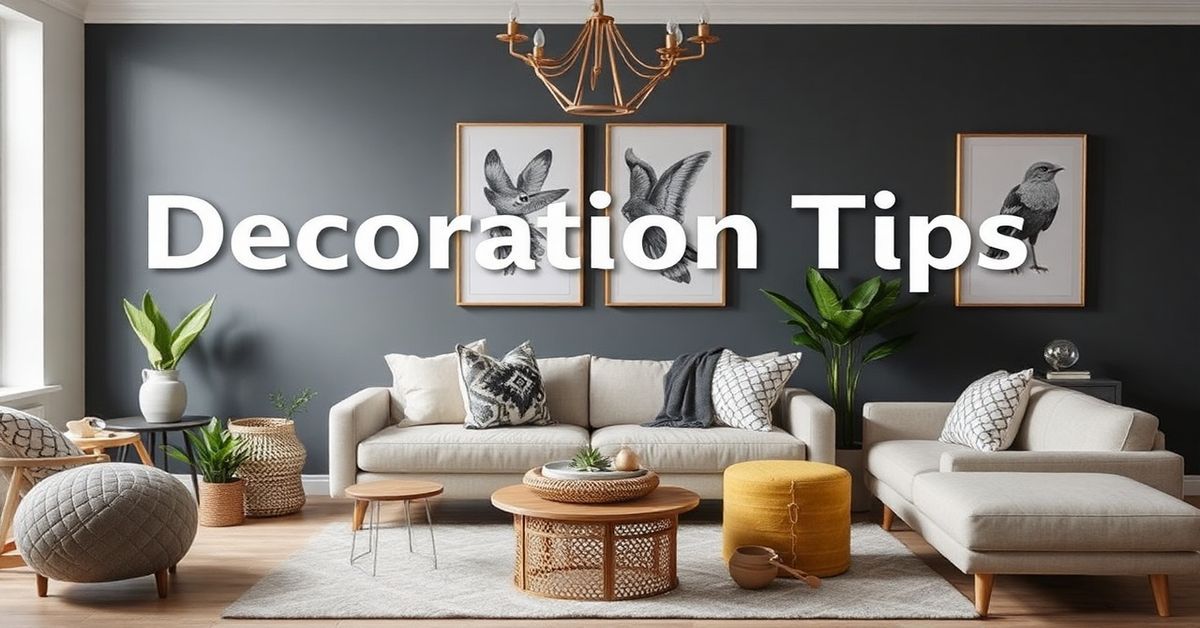
Most home decor guides promise quick fixes but fail to deliver lasting impact—often because they rely on generic trends instead of personalized, functional design. That’s where decoration tips decoradhouse from decoratoradvice stand out. Unlike surface-level suggestions, these insights are rooted in practical experience, helping homeowners create spaces that reflect both style and comfort. Whether you’re refreshing a single room or redesigning your entire home, understanding how to apply decoration tips decoradhouse from decoratoradvice can transform your space without breaking the bank. This article dives deep into proven strategies, real-world applications, and expert-backed techniques to help you achieve a cohesive, inviting interior.
Understanding the Core Principles Behind decoration tips decoradhouse from decoratoradvice
The foundation of effective home decoration lies in balance, functionality, and personal expression. decoration tips decoradhouse from decoratoradvice emphasize these elements by focusing on how people actually live in their spaces, not just how they look in photos. For instance, instead of recommending trendy but impractical furniture, these tips prioritize ergonomics, traffic flow, and multi-functional pieces. A living room might benefit more from a modular sofa with hidden storage than a sleek, low-profile design that sacrifices comfort. Similarly, lighting is treated as a layered system—ambient, task, and accent—rather than a single overhead fixture. This holistic approach ensures that every design decision supports daily life while enhancing aesthetics. Another key principle is scale and proportion. Many beginners overcrowd small rooms or leave large spaces feeling empty. decoration tips decoradhouse from decoratoradvice guide users in selecting furniture and decor that fit the room’s dimensions, using rugs, artwork, and vertical elements to anchor and define zones. By grounding choices in real usability, these tips avoid the common pitfall of style over substance.
Maximizing Small Spaces with Smart Layouts and Visual Tricks
Small homes and apartments present unique challenges, but decoration tips decoradhouse from decoratoradvice offer clever solutions to make compact areas feel spacious and organized. One effective method is the use of mirrors to reflect natural light and create the illusion of depth. Placing a large mirror opposite a window can double the perceived size of a room. Another strategy involves choosing furniture with exposed legs—this allows light to pass underneath, reducing visual weight. For storage, vertical solutions like floating shelves or tall bookcases draw the eye upward, making ceilings appear higher. Color also plays a critical role. Light, neutral palettes on walls and large furniture pieces reflect more light, enhancing openness. However, adding a single bold accent wall or vibrant artwork can prevent the space from feeling sterile. Open shelving in kitchens and bathrooms keeps essentials accessible while maintaining airflow. Additionally, multi-functional furniture—such as ottomans with hidden compartments or sofa beds—maximizes utility without clutter. These techniques, drawn from decoration tips decoradhouse from decoratoradvice, prove that small spaces can be both stylish and highly functional when designed with intention.
Key Tips for Small Space Optimization
- Use light colors on walls and large furniture to enhance brightness
- Incorporate mirrors to reflect light and expand visual space
- Choose furniture with legs to create openness under pieces
- Install vertical storage to utilize wall space efficiently
- Opt for multi-functional furniture to reduce clutter
Creating Cohesive Color Schemes That Reflect Your Personality
Color sets the mood of a room and influences how we experience it daily. decoration tips decoradhouse from decoratoradvice stress the importance of starting with a base palette of 2–3 neutral tones—such as warm whites, soft grays, or beige—then layering in 1–2 accent colors. This approach ensures flexibility and longevity, allowing you to refresh the space with accessories rather than repainting walls. For example, a navy blue accent wall paired with brass fixtures and cream textiles creates a sophisticated yet cozy atmosphere. When selecting colors, consider natural light exposure. North-facing rooms benefit from warm tones to counteract cool light, while south-facing spaces can handle cooler hues. Personal preference matters too—don’t avoid bold colors if they energize you, but balance them with neutrals to prevent overwhelm. Textures also contribute to color perception; a velvet cushion in emerald green feels richer than flat fabric. Testing paint samples at different times of day is a pro tip often highlighted in decoration tips decoradhouse from decoratoradvice. Finally, use the 60-30-10 rule: 60% dominant color, 30% secondary, and 10% accent to maintain harmony across furniture, walls, and decor.
Accessorizing with Intention: Art, Lighting, and Textiles
Accessories are the finishing touches that bring a room to life, and decoration tips decoradhouse from decoratoradvice emphasize quality over quantity. Start with artwork—choose pieces that resonate emotionally, whether it’s a family photo, a vintage print, or a modern abstract. Group smaller frames in a gallery wall for impact, ensuring consistent spacing and alignment. Lighting should be layered: overhead for general illumination, table or floor lamps for reading, and wall sconces or LED strips for ambiance. Dimmers are highly recommended to adjust mood throughout the day. Textiles like throw pillows, blankets, and curtains add warmth and texture. Mix materials—linen, wool, cotton—to create depth. A jute rug under a plush sofa, for instance, balances rugged and soft elements. Plants are another essential; they improve air quality and add life. Low-maintenance options like snake plants or pothos thrive in various conditions. Avoid overcrowding surfaces—edit regularly to keep the space feeling fresh. These intentional choices, guided by decoration tips decoradhouse from decoratoradvice, turn a decorated room into a lived-in sanctuary.
Essential Accessories Checklist
- Artwork that reflects your personality
- Layered lighting with dimmers
- Mix of textiles in complementary textures
- Indoor plants for natural vitality
- Minimal, curated decorative objects
Sustainable and Budget-Friendly Decorating Strategies
Eco-conscious and cost-effective decorating is at the heart of decoration tips decoradhouse from decoratoradvice. Instead of buying new, consider upcycling—repaint an old dresser, reupholster a chair, or turn crates into shelves. Thrift stores, flea markets, and online marketplaces offer unique pieces at low prices. When purchasing new, prioritize quality and durability over fast fashion trends. Look for sustainably sourced wood, organic cotton, and non-toxic finishes. DIY projects also reduce waste and personalize your space—try making your own curtains, macramé wall hangings, or painted vases. Energy-efficient LED lighting and smart thermostats contribute to long-term savings. Repurposing items, like using mason jars as bathroom organizers, adds charm without expense. These strategies not only align with environmental values but also foster creativity. For more inspiration on sustainable home upgrades, visit our guide to eco-friendly interiors. Additionally, authoritative sources like the U.S. Environmental Protection Agency provide valuable insights into green living practices that complement your decor choices.

Leave a Reply